
Moving in Alaska for Families
This guide covers schooling and childcare, clinics and remote care, winter preparedness, and how to choose between renting or buying in key Alaska cities, all with a focus on safety and daily family life.
What to expect
Climate realities
Expect significant seasonal swings, with interior winters well below freezing and summers that can be surprisingly warm, shaping wardrobes, transit, and housing choices.
Costs & utilities
Average Alaska living costs and utilities run higher than national norms, and moving logistics and vehicle registration should be budgeted in relocation plans.
Community & schooling
School enrollment ages are set at the district level, with documents like birth certificates, immunizations, and proof of residence typically required.
Parent Tips
- Begin school routines early — consistent bedtimes and mealtimes smooth the start of term in Alaskan districts.
- Prepare a family emergency kit including children’s specific needs, backups for medications, and power for essential devices.
- Dress in layers: base wool, insulating fleece or wool, and a waterproof outer shell for dependable winter play and safety.
Moving With Kids Across Alaska: Expectations, Routines, and Safety
A comprehensive primer on climate, schedules, and home life during the first year after relocation.
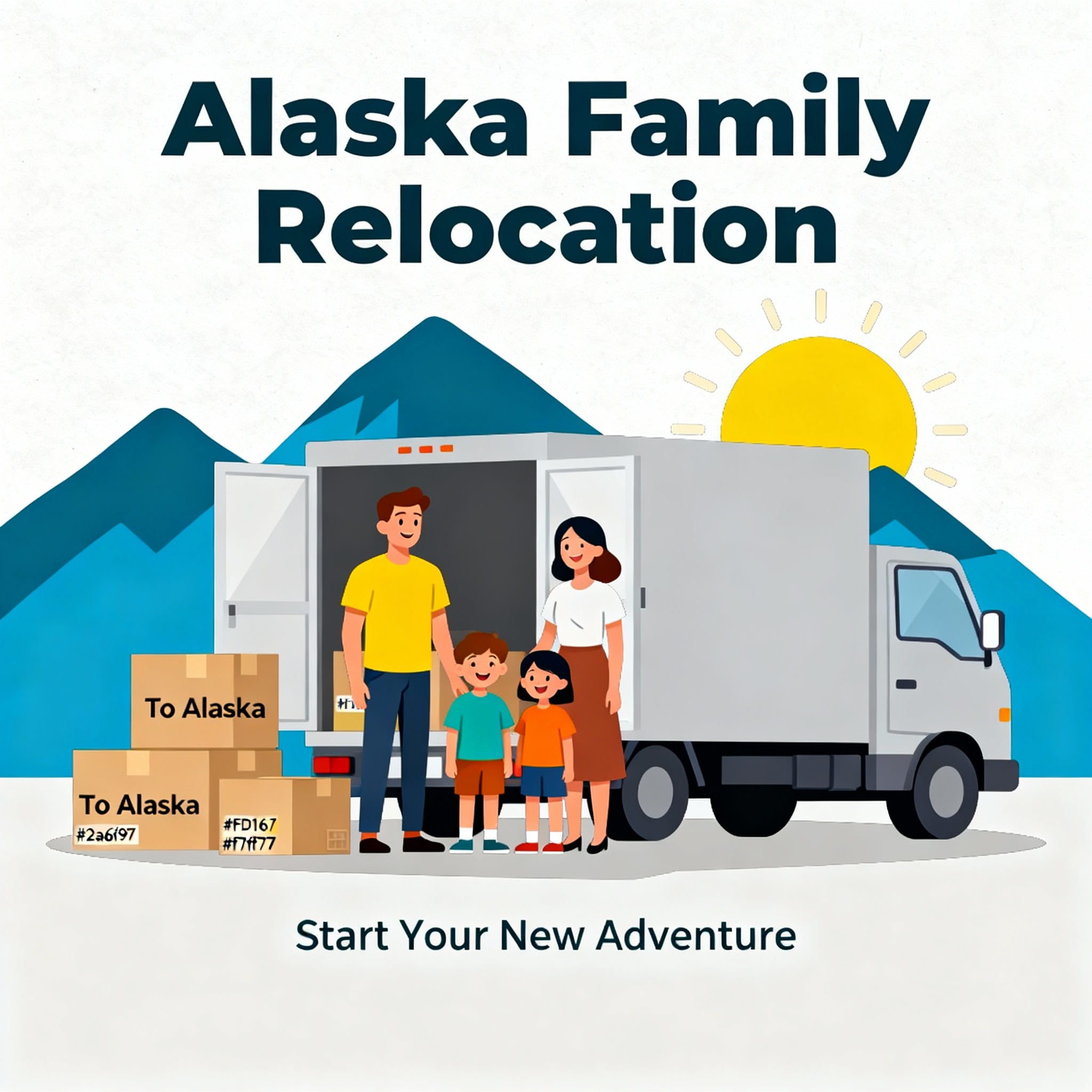
Relocating as a family in Alaska combines logistical planning with daily routines adapted to a unique climate and geography. From Anchorage to Fairbanks and Juneau, the rhythms of school calendars, daylight shifts, and infrastructure conditions inform how households set up everything from morning routines to backup power. Families soon realize that distances on a map become longer in winter, with snowfall, road maintenance, and icy conditions making preparation and flexibility essential. For a detailed planning baseline—costs, paperwork, local services—see https://independencemovingandstorage.com/.
Climate is the first structural factor to plan around. In interior regions, winter temperatures commonly dive far below freezing, while coastal communities may experience heavy precipitation and maritime winds. These patterns influence what goes on the equipment checklist, how a closet is organized, and which after-school activities are feasible on any given week. Layering is more than a clothing choice; it is a system. A warm base layer keeps moisture away from skin, an insulating mid-layer retains heat, and a shell blocks wind and moisture. This system scales from toddlers to teens, matching the length of walks to bus stops, playground time at recess, and weekend skating or sledding. Parents report that having duplicates of gloves and hats saves morning schedules when one set gets soaked. School routines deserve attention weeks before term starts. Transitioning sleep schedules ahead of the first bell reduces stress and increases attentiveness. Districts typically require standard enrollment documents such as age verification, immunizations, and proof of residency; transferring students benefit from ready records to streamline placement and services. After-school time blends academics and outdoor play, with safety practices like helmets, reflectors, and clear rules near roads and parking areas where snowbanks reduce sight lines. Healthcare planning begins with identifying a pediatrician, confirming insurance networks, and assembling a medical packet that includes cards, prescriptions, and care plans; telehealth bridges distance during storms. Emergency readiness extends beyond medical needs to food, water, first aid, and safe power backups. Transportation choices interact with climate, requiring winter tires, block heaters, and trunk kits; commuters relying on buses should pre-arrange carpools and delay contingencies. Housing selection prioritizes insulation, heating, and storage; renters ask about utility ranges and snow removal while buyers focus on inspections. Community integration through schools, libraries, and festivals builds support networks that make schedule changes manageable. The first year is about rhythm—preparation, consistency, and a culture of safety help children adapt quickly and families thrive.